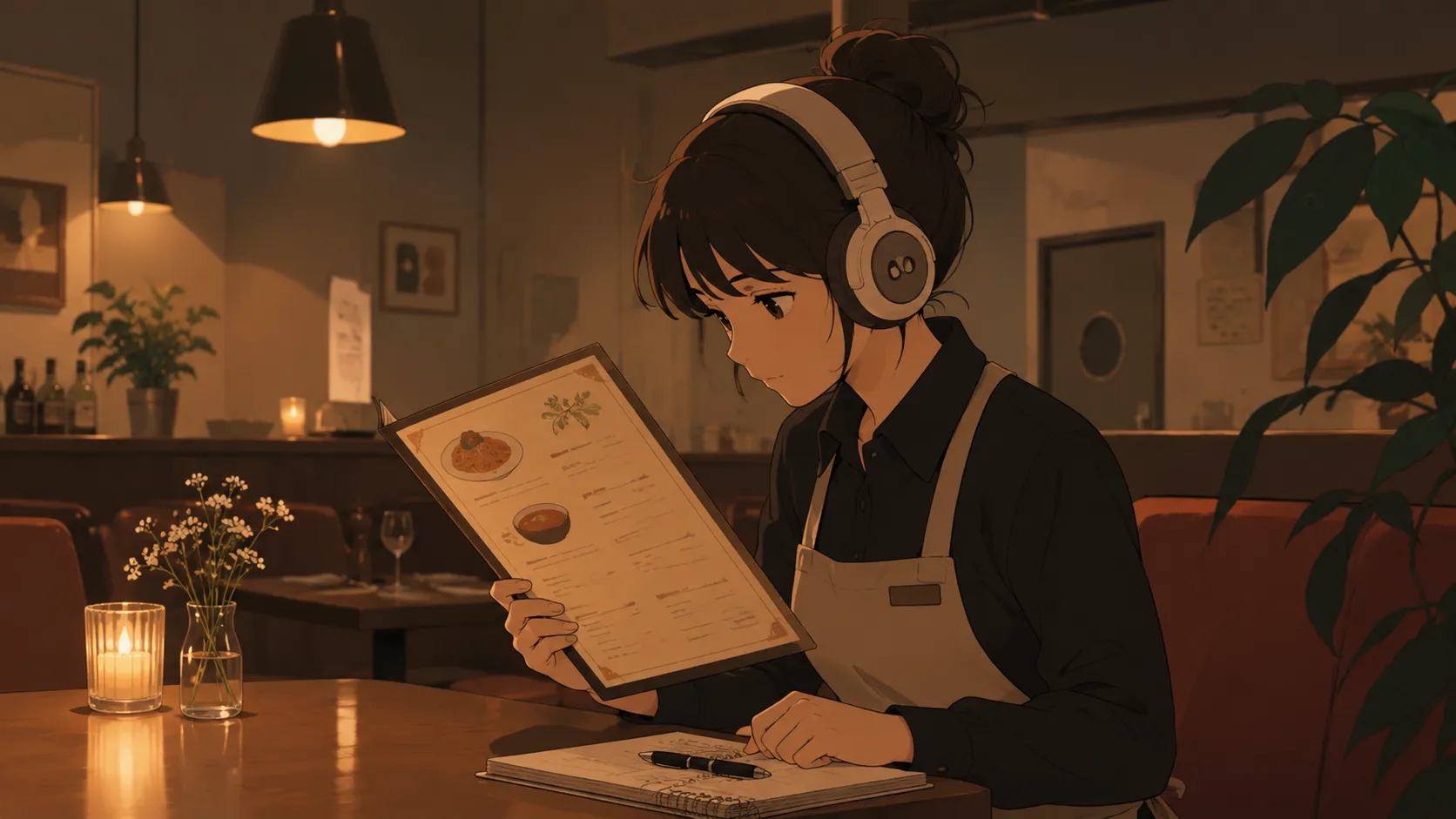
Coming back to the floor after years away, the worry is usually the same: the kids have apps, the menus are huge, and you remember learning them by handwriting cards at 3am. Here is the reassuring part. You still have the hardest-won skills, reading a table, pacing a section, staying calm in the weeds, and the one real gap, a bigger menu and newer tech, is exactly what modern tools close. Photograph the menu, let an app build the deck, and quiz the core. A tool like MenuFlashcards does this from a photo. It is in early access on iPhone.
This is the experienced-returner version of a simple way to learn the menu later in life. The craft has not changed; the homework has.
Your experience is a real advantage
Do not discount what you bring back. Floor instincts take years to build, and yours are intact: you know how to greet, time, upsell, and recover a table, which is most of the job and the part new hires struggle with. The menu is just information, and information is the easy part to load when you have a method. So frame the return correctly, you are not starting over, you are topping up one specific thing.
What actually changed while you were away
A few things have moved, and knowing them removes the surprise. Menus are often digital now, on a POS iPad rather than a laminated card you take home, so photographing the screens to study them is a normal move. Allergen rules are stricter, and study itself has gone phone-first. None of this is hard, but it is different, and expecting it beats being blindsided on day one.
Skip the 3am homework
The thing you dreaded, handwriting a hundred cards late at night, is the part that is now automatic. Photograph the menu and the deck builds itself in minutes, grouped by section, ready to quiz. That alone is the biggest change in your favour: the slow, tedious setup that used to eat your evenings is gone, so your study time goes entirely to practice. There is no reason to lose sleep to a stack of index cards anymore.
Why recall beats rereading, at any age
The method that works has not changed, and it does not care how long you have been away. A review of the testing effect in the US National Library of Medicine shows that pulling an answer out of memory fixes it far better than rereading. So hide the answer, say the dish and its ingredients, then check. If your memory feels slower than it was, recall practice is exactly the training that sharpens it, more than rereading ever did.
The allergen standard has moved on
This is the update that matters most for safety. Allergen awareness is far stricter than it was, and in the US the FDA now recognises nine major food allergens, with sesame added as the ninth in 2023. So even if you knew menus cold years ago, refresh the allergen side deliberately, make it its own drill, because the expectations around a confident, correct allergen answer have only risen.
Space it out, do not cram
You do not need an all-nighter, and you should not attempt one. Research on the spacing effect shows the same practice sticks far better spread across short sessions than packed into one block. Three ten-minute rounds across a couple of days beat an hour the night before, and short sessions fit a returning adult’s schedule far better than a marathon anyway.
Lean on the team, do not hide the gap
One quiet advantage of experience is knowing it is fine to ask. The younger staff grew up with these apps and will happily show you in two minutes what might take an hour to work out alone, and most are glad an experienced server respects their know-how. Trade your floor wisdom for their tech shortcuts: you teach them how to read a table, they show you how to scan a menu into a deck. It makes the return faster and the whole section run smoother.
A plan for coming back
- Photograph the menu, or the POS screens if it is digital, and build the deck.
- Drill the most-ordered items and a separate allergen round first.
- Quiz by recall, saying answers out loud, not by rereading.
- Refresh the modern allergen standard deliberately.
- Space short rounds across a few days; lean on your floor experience for the rest.
Bottom line
Returning to serving after years away is mostly a top-up, not a restart: you keep the floor craft and only need to reload a bigger menu with newer tools. Skip the 3am card-writing, photograph the menu, and drill the core and allergens by recall in short spaced sessions. MenuFlashcards builds that deck from a photo, so experience plus a modern method beats an all-nighter. It is in early access, so join the list and start with the free deck when it opens.